In the vast, often impersonal landscape of B2B relationships, a thoughtful gift can feel like finding an oasis. It’s a physical manifestation of appreciation that says, "I see you, not just your quarterly budget." However, many professionals fall into the trap of giving commodity Premium Wine items—the branded pen, the cheap coffee tumbler, the generic box of chocolates. These gifts are forgettable; they fade away faster than the memory of a poorly attended conference call. If you want your gesture to truly resonate, you need a strategy that moves beyond mere expenditure and taps into genuine understanding. The core challenge is learning how to make client gifts memorable and non-generic, turning an object into a story.
A great gift isn't simply expensive; it’s relevant. It requires doing some homework, listening carefully to your client’s industry, hobbies, or even their slightly quirky taste in local artisanal goods. This article will guide you through transforming standard tokens of appreciation into lasting relationship builders that leave a genuinely positive impression.
Understanding the Psychology Behind Client Gifts
Before buying anything, we need to shift our perspective from "gift spending" to "relationship investing." The most successful gifts act as emotional anchors—they connect your brand not just to a service, but to an experience or a memory. When you master this art, you are doing more than giving; you are strengthening trust.
Moving Beyond the Transactional Mindset
A generic gift suggests that the decision was made quickly and impersonally—a simple checkbox item on a corporate gifting list. To counter this, we must view every gesture as an extension of our brand’s personality. It should feel personal, almost like receiving a recommendation from a trusted friend rather than a marketing department.
- Focus on utility: Does the gift solve a small problem or enhance their daily life? Prioritize experience: Can the gift facilitate an activity (e.g., tickets to an event, a cooking class kit)? Think of passion points: What do they talk about when they think no one is listening?
The Power of Hyper-Personalization
Hyper-personalization means going deeper than just using their name on the card. It involves demonstrating that you pay attention. For example, if you know a client has recently moved to a new city or started running marathons, tailor the gift specifically to those life changes. This level of detail shows effort and care—the most valuable currency in business relationships.
Crafting Meaningful Experiences Over Material Goods
The biggest mistake is assuming that value equates to material cost. Sometimes, the most impactful gifts are services, knowledge, or unique, customized experiences. These items cannot be placed on a shelf; they must be utilized.
Curating Local and Artisanal Items
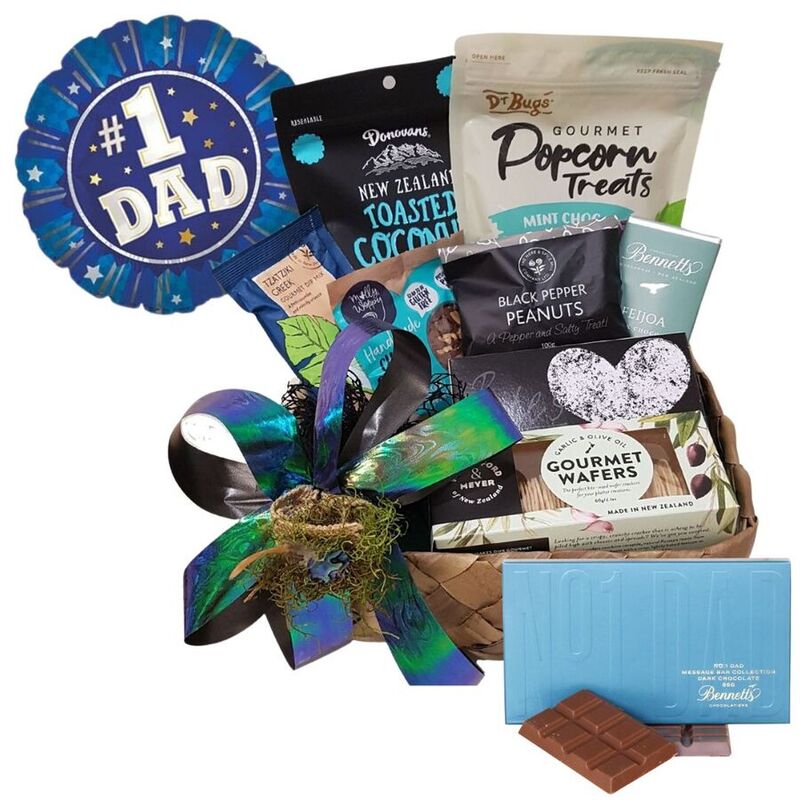
Nothing says "I paid attention" like finding something unique to their immediate area or a niche craft. Instead of sending a generic gift basket from a major retailer, source local goods—specialty coffees from a neighborhood roaster, handcrafted items from a regional artist, or books by local authors. This approach carries an inherent story and supports the client's community, making the gesture feel virtuous as well as appreciated.
Anecdote: I once worked with a client who was building a sustainable architecture firm. Instead of sending him a fancy pen set, we gifted him a small selection of locally sourced lumber samples from three different regions, along with notes detailing their origin and sustainability practices. He was genuinely thrilled; it wasn't just a gift, it was research material for his next project.
Utilizing Shared Interests: The Metaphor of the Common Thread
Think of shared interests as the common thread weaving through your relationship. If you know a client is obsessed with gardening, give them an heirloom seed collection and a beautiful pair of gloves. If they love cooking, send a specialty spice blend from a faraway market. This shows that your appreciation isn't limited to their wallet; it extends to their passions.
“The best gifts are those that require nothing but imagination.” Understanding this sentiment is key to mastering how to make client gifts memorable and non-generic.
Elevating the Presentation: The Unboxing Moment
Even if the gift itself is perfect, poor presentation can ruin the impact. The unboxing experience must be flawless—it should feel like a mini-event. This applies to everything from the packaging to the accompanying note.
Mastering the Handwritten Note
In an age of digital communication, a handwritten card remains one of the most powerful tools in your arsenal. It takes time and effort—two things that are scarce commodities today. The note should never just say "Thanks for your business." Instead, it should reference a specific point of connection: “I hope this spice blend reminds you of our conversation about Moroccan cuisine last week.”
Strategic Sourcing and Packaging
The packaging needs to match the perceived value. If you are gifting high-end artisanal goods, use recycled, textured boxes with elegant ribbon rather than cheap plastic wrapping. Remember that presentation is a silent salesperson; it must speak volumes before anyone opens the box. What message does your wrapping send? Is it https://travisvdqi894.timeforchangecounselling.com/the-art-of-making-a-budget-friendly-but-deeply-emotional-gift professional luxury, rustic charm, or playful whimsy?

Making Your Selection Count: Final Considerations
To truly master how to make client gifts memorable and non-generic, you need to be an empathetic detective. You are not buying items; you are collecting emotional data points about the people you value.
What is the ultimate goal of this gift? Is it relationship maintenance, celebrating a milestone, or simply saying "thank you"? Knowing your intent will guide your selection process. Do you want them laughing? Do you want them thinking about your company when they use it next week?
Consider these final tips to ensure lasting impact:
- The 80/20 Rule: Spend 80% of your effort understanding the client, and only 20% on the gift itself. Avoid Overwhelm: Don't buy a dozen things just because they look nice. Choose one perfect item or a curated set that tells a clear story. Keep it Relevant to the Relationship: If your relationship is purely professional, focus on high-quality office tools or knowledge assets (like paid subscriptions to industry reports).
Ultimately, remember that time is the most valuable commodity you possess. By investing thought and creativity into these thoughtful gestures, you aren't just giving away objects; you are gifting a moment of connection. How can you use your next gift to tell a story about your commitment?